
Practical Solutions for Designing a Child’s Room: Fostering Play and Learning
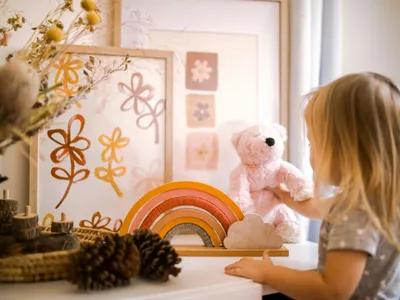
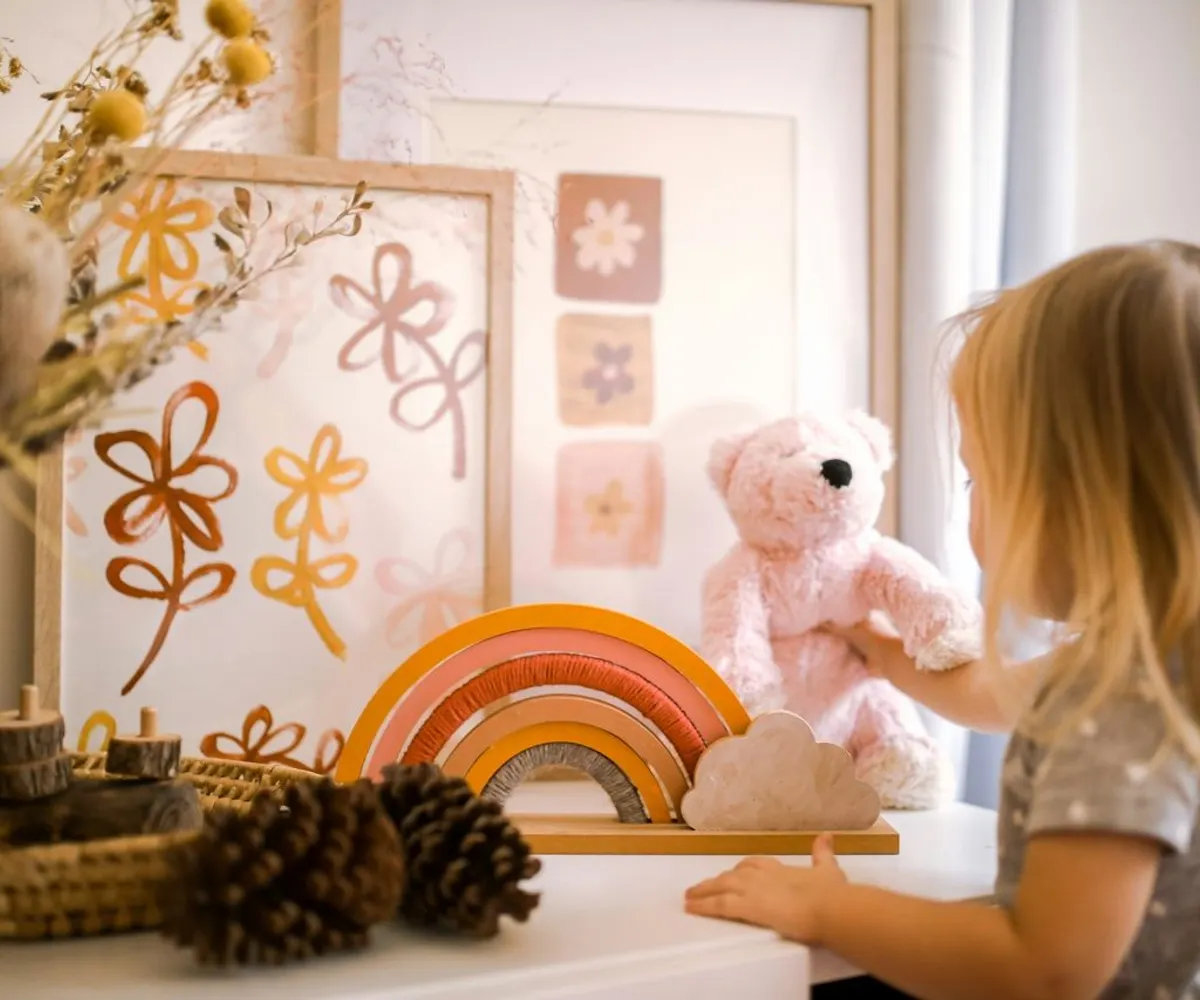
Designing a child’s room is an exciting opportunity to create a space that is both fun and functional. A well-thought-out design can foster creativity, learning, and play. Here are some practical solutions to consider when setting up a room that will inspire your child’s imagination while also serving educational purposes.
Published at:
Apr 29, 2026 yearUpdated at:
Apr 29, 2026 yearAuthor:
KarolinaReviewer:
MarkRate:
Zoning for Activities
Creating distinct zones within the room can help organize different activities.
Consider the following zones:
- Play Zone: Use soft rugs or foam mats to define a play area. Include storage solutions like bins or shelves for toys, making cleanup easy.
- Study Zone: A dedicated study corner with a small desk and comfortable chair can encourage homework and creative projects. Use task lighting to keep the area well-lit.
- Reading Nook: Incorporate a cozy corner with a small bookshelf and cushions. This space can be a quiet retreat for reading and relaxing, fostering a love for books.
Multifunctional Furniture
Choose furniture that can serve multiple purposes. For example:
- Storage Ottomans: These can provide seating, storage for toys, and can double as a coffee table for creative projects.
- Foldable Desks: These can be tucked away when not in use, saving space while still providing a functional study area.
- Bunk Beds with Desks: If space is limited, consider a bunk bed that includes a desk underneath, maximizing vertical space and providing both sleeping and studying areas.
Be creative
Creative Wall Solutions
Walls can be more than just a backdrop; they can serve as interactive learning tools:
- Chalkboard or Whiteboard Walls: Paint a section of the wall with chalkboard paint or install a whiteboard. This encourages creativity and makes it easy for kids to practice writing or drawing.
- Pegboards: These can be used for hanging art supplies, toys, or educational tools. They keep items organized and easily accessible.
- Art Display Areas: Create a gallery space for your child’s artwork. Use clipboards, frames, or a wire with clips to display their creations, promoting self-expression.
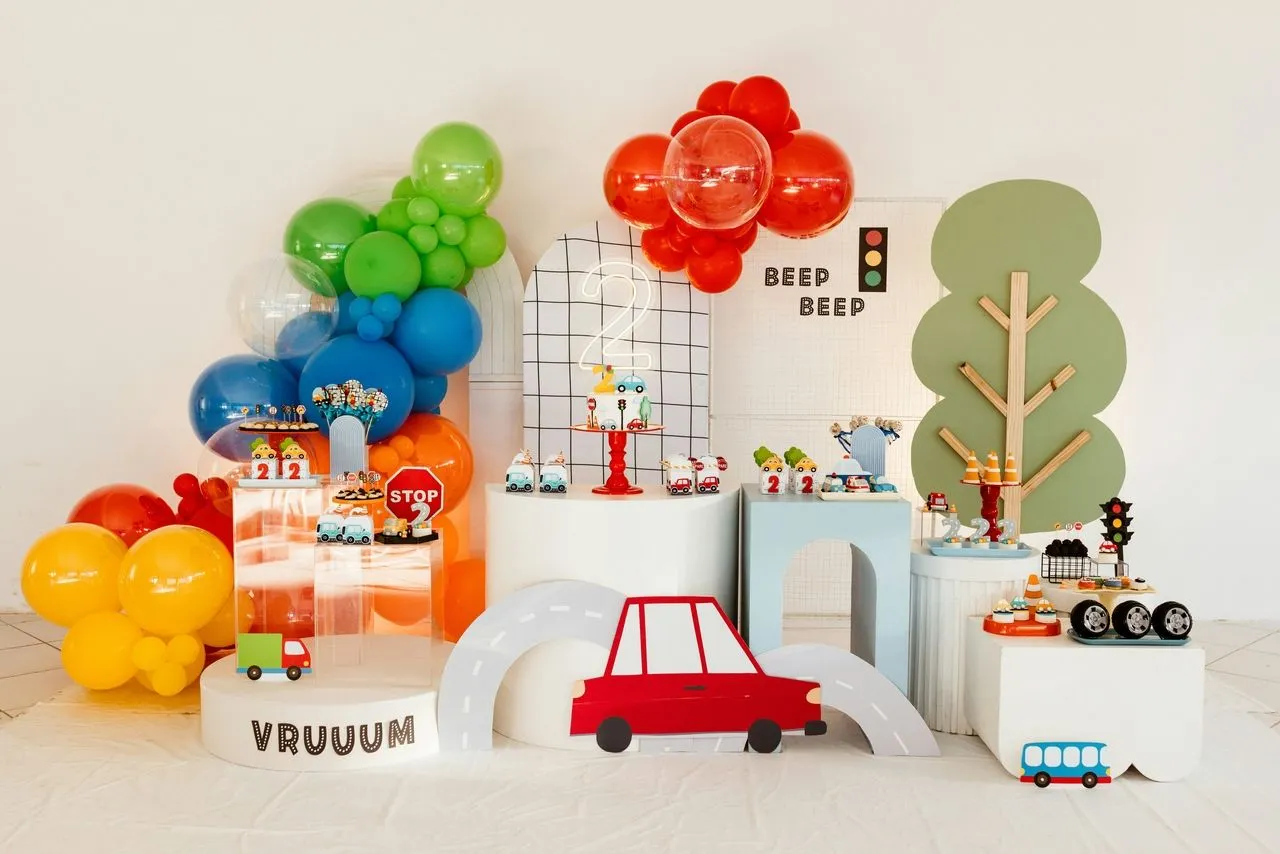
Creative tools and solutions
Safety First
When designing a child’s room, safety is paramount. Ensure that:
- All furniture is anchored to the wall to prevent tipping.
- Sharp edges are rounded off.
- Toys and decor items are age-appropriate and non-toxic.
Incorporating Technology Wisely
- While it’s important to encourage play and learning, technology can also play a beneficial role:
- Interactive Learning Tools: Consider a tablet or a smart board that can be used for educational games and interactive learning. Make sure to set boundaries for screen time.
- Audio Books and Music: Include a small speaker or docking station for audiobooks and music. This can enhance the reading experience and create a stimulating environment.
About the author

Karolina
Interior Designer
Karolina is an interior designer with 15 years of experience